








Small Home Gazette, Fall 2019
History Brief: Decorative Tree Pulp
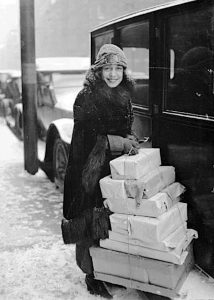 Wrapping gifts to conceal them before opening is an ages-old tradition. In the early 20th century, people wrapped gifts in tissue, in colors of red, green or white and sometimes a simple holiday wreath pattern. Stores were a bit more practical, offering to wrap customers’ purchases in sturdy manila paper. Most packages were tied up with string and sealing wax.
Modern day wrapping paper, as we know it, got its start in 1917.
Two brothers running a stationery store were having an exceptionally good holiday season and ran out of tissue paper to sell. Needing a replacement, they found “fancy papers” among their supplies, which were used to line envelopes to give a pop of color when you opened a card. Uncut, these papers were a perfect size to wrap presents.
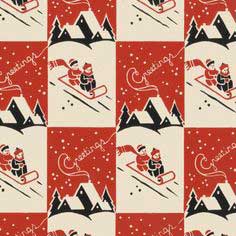
At 10 cents a sheet, they sold quickly. Offering the same lining papers the next few years, the brothers confirmed people’s interest and began producing and selling their own decorative, printed “flat wrap” gift paper, measuring 20 by 30 inches.
The brothers were Joyce and Rollie Hall. Their Kansas City, Missouri, store was called Halls. In 1923, they formed Hall Brothers, Inc., the predecessor of today’s Hallmark—a name chosen to suggest the old hallmarks goldsmiths used to sign their work. It said quality AND incorporated the family name.